Almost every company aims to improve the data quality to keep their database accurate, as it is imperative for streamlining operations and achieving substantial growth. However, most businesses overestimate their data quality, which eventually impacts their business growth. Bad or inaccurate data impacts businesses; negatively. It affects the sales and company budget and can also be fatal, costing a business its life. Based on the HBR report, companies bear a loss of around 3 trillion USD every year due to inaccurate data.
With the increasing amount of data that we collect every day, it is impossible to maintain zero errors. But we need to understand the significance of data accuracy in business and work towards improving it. This article will discuss the top 5 ways data accuracy impacts business performance
What is data accuracy?
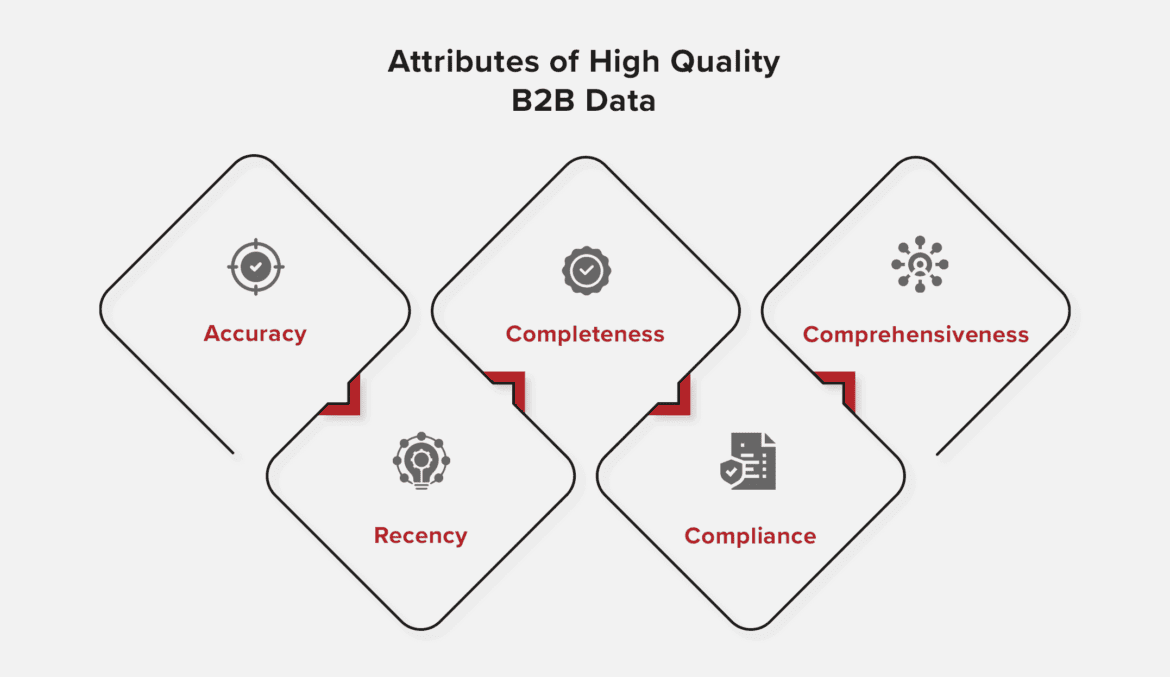
Data accuracy is imperative for a successful business. It is a prerequisite for businesses to survive and thrive in a changing marketplace. It ensures the consistency and reliability of data used in any business activity.
Organizations determine data accuracy by following the norms of data governance. However, being consistent and up-to-date does not ensure accurate data. The data also has to be correct to be considered accurate. Online businesses make use of data for building customer relationships. For example, they issue coupons on their customer’s birthdays to boost repeat business. In this case, the company should have accurate data about the customer’s birth date as well as location to make the most out of the personalization opportunity.
Data plays an important role in connecting a business activity to its intention, thus making it context-dependent. The accuracy of data changes with the goal and environment around it.
Reasons why data accuracy matters for your business
Accurate data is a prerequisite of data analysis in any business. And when the data is reliable, it is easier for marketers and sales professionals to make decisions for business growth. Data accuracy saves both time and money required for a particular task. It also improves ROI and helps businesses deliver enhanced customer experience.
Further, it enhances the confidence of individuals that depend on data by increasing business efficiency and lowering risks. Although most sales professionals make decisions based on their instincts, it makes sense to back them up with data.
2. Boosts productivity
Data accuracy impacts more than just decision-making. It directly impacts productivity. Accurate data boosts productivity by identifying the gaps in the current workflow. It is a prerequisite for analyzing all kinds of operations in a company, whether it is simple employee timesheets or a complex production process. Hence, it eliminates the requirement of manpower for finding and fixing data errors. With good quality data, business owners can save their company’s time and resources; and utilize them in something more crucial, making business more efficient.
3. Helps build strong marketing strategies
Having accurate data helps marketing teams reach the right audience and save valuable dollars in targeting. With the right data, you can understand the audience better, know their needs, and offers a clear opportunity to build trust and engage with the audience. Having a robust data accuracy system in place reduces efforts and saves costs. Furthermore, it enables personalization and acts as a catalyst for marketing teams to convert better.
4. Builds brand image
Brand image is often developed by external stakeholders which makes it a partially controllable factor. However, it’s important for organizations to monitor customer experience data points and achieve customer satisfaction. Having accurate data on these parameters helps organizations build a strong brand image and develop trust among the audience. Accurate data can be effective in building strong recognition, credibility, and aids in growth. Ensure that you have strong data accuracy measures or these can get taxing in finding and fixing the errors.
5. Prerequisite for AI
AI is the future of business-related processes. It offers a competitive edge to the business owners over other competitors in the market. Forbes reported that 76% of the companies have already implemented ML initiatives to understand their customers better. And there is no doubt that it is going to revolutionize target marketing. But what makes the basis of AI/ML-based operations? Its data. The quality of the data will directly reflect the performance of AI-based technologies. Data accuracy becomes of prime importance if businesses wish to reap maximum benefit from these technologies.
How to ensure data accuracy?
Let’s look at different approaches to improve it,
Companies should identify reliable sources for their data. The authenticity of the internal and external data directly reflects on its quality.
Businesses need to keep realistic goals in business. Instead of directly aiming to establish a perfect ecosystem, they should first start by addressing the basic problems causing inaccuracy in data.
Assign tasks to their data entry specialist team accordingly and work progressively towards improving data entry.
Data review should be a regular practice. It is an efficient way of ensuring the correctness of data. Companies can hire a specialized team for quality assurance who can review the data and work towards fixing errors.
Software-based applications automate the process of data entry, especially if it is of the same type and involves a repeated process. Automation minimizes the chances of error and provides the scope for improvement.
Adopting accuracy standards is another way of ensuring your data is accurate. Companies should adopt robust data entry standards like data profiling, matching, geo-coding, monitoring, linking, etc.
Wrapping it up
Organizations use data to make strategies, and decisions or to set the right framework. In fact, the digital world we are in makes data accuracy a vitally important aspect for every business. Without accurate data, all the latest technology fails to provide any value to the organizations. Better the data accuracy, higher the chances of reaching the right audience, increased growth, and gaining a competitive edge.