Master Checklist for an Effective Lead Qualification Process
Posted by
MediumAxis |
June 20, 2026
Share this page
Lead qualification enables you to identify promising leads, nurture them into prospects, and convert them into customers. Unfortunately, 67% of sales are lost due to sales reps not properly qualifying potential customers and spending too much time with uninterested prospects.
With the proper lead qualification process in place, you can ensure that your sales team spends time on only the most promising leads that result in more closed deals.
However, not all organizations have a reliable lead qualification checklist to help guide their efforts. With it, you could be saving valuable time and resources chasing down dead-end leads or missing out on potentially profitable opportunities.
A well-laid lead qualification strategy enables teams to increase productivity by focusing on leads with a higher potential for long-term growth. In addition, using data-driven insights for lead qualification enables sales reps to personalize their outreach strategies, tailor their messaging, and follow up faster.
What is Lead Qualification?
Lead qualification is the critical process of identifying a lead with purchasing intent and potential. Sales reps can evaluate leads against predetermined criteria and decide which to pursue and how to leverage resources best.
Streamlining lead qualification processes is also a great way to maximize productivity. Phasing the process in collaboration with the marketing team can help sales teams quickly identify and nurture the most promising leads.
By automating parts of the process, sales reps can save time and effort that would otherwise be spent weeding out unqualified leads or researching customer information. By utilizing automated lead scoring systems, sales reps can maximize every touchpoint with prospects and convert customers organically.
Importance of Lead Qualification?
Lead qualification ensures that sales teams focus on the right prospects. In addition, it helps them distinguish between qualified and unqualified leads to save valuable time, resources, and money.
Qualifying leads helps sales reps focus their efforts on higher-value opportunities. It reduces the time spent with prospects who are unlikely to make a purchase or become customers. Additionally, it provides insight into customer needs so reps can tailor their approach accordingly.
In addition, lead qualification gives sales teams insight into their existing pipeline and a broader market view. It helps them identify trends in customer behavior, preferences, and buying patterns. They can use the valuable intelligence to improve marketing efforts and better meet customer needs.
Step-by-step Process of Lead Qualification
Identifying potential customers and targeting them with relevant offers is vital for lead qualification. Here is a well-defined step-by-step process of lead qualification:
1. Build a buyer profile
Create a buyer profile or Ideal Customer Profile (ICP) that outlines the characteristics and attributes of your ideal customer. Once you have identified these traits, you can use them to quickly qualify leads as either viable or non-viable for further consideration. Unfortunately, research shows around 50% of prospects are not qualified buyers.
Developing a buyer profile should entail more than just assessing demographic or firmographic information. It should consider psychographic and behavioral segments as well. Remember to include factors like past purchases, motivation to buy, and time spent researching better options before buying.
2. Differentiate between intent and interest
Careful consideration of customer intent and interest is essential for practical lead qualification. Intent refers to a customer’s desire to purchase, while interest indicates their engagement with your product or service.
A sales rep can determine intent through demographic data, website visits, social media activity, and promotional campaigns. It estimates whether a lead has been actively searching for solutions your company provides. Interest is more challenging to ascertain since it involves understanding the needs of each individual.
However, the data will optimize your lead qualification process. You can provide the right information at the right time for each lead.
3. Segment the prospects
Segmenting prospects by grouping leads based on common characteristics, sales teams can focus on those most likely to convert. In addition, it helps create targeted communication for these leads.
Personalized and relevant messaging can improve customer engagement and increase the chances of conversion.
Segmentation also helps sales reps prioritize more valuable leads. For example, they can focus their efforts on hot leads (those who are ready to buy) over warm or cold prospects.
Most leads can be categorized as follows:
Unqualified: Unsuitable leads or ones requiring more time and nurturing to purchase. They may be deprioritized, to be approached at a later time, or discarded, depending on their profile or lead score.
Marketing Qualified: Suitable leads that might not be prepared to buy right away. They must be fostered with the appropriate marketing information to lead them to the next stage in their buyer’s journey.
Sales Qualified: These leads are at the bottom of the funnel. They are usually prepared to be approached by a salesman for prospecting and an offer. A sales rep must understand customer needs or pain points and explain how the proposal can address them.
Product Qualified: Actively interested leads or those who had previously expressed an interest in the product or service. They may be prepared to purchase. However, to close the sale, you must ensure that their demands have been addressed.
4. Research the prospect
Researching the prospect for effective lead qualification can involve looking at various factors. These can range from demographic and psychographic information to a company’s current customer base. Additionally, you must look at the financial health of the prospects to assess the potential for successful sales.
Gathering information is critical in researching the prospect for effective lead qualification. It allows you to understand the prospect’s goals and objectives and identify potential opportunities for collaboration. Analyze the buying trends to understand the market sentiment for your industry. Additionally, research into competitors’ offerings will help you position your product or service in a better place for your potential customers.
5. Leverage CRM
Using CRM, you can ensure that only qualified leads make it into your pipeline. The key benefits of using CRM as a lead qualification tool include higher customer engagement, more efficient sales processes, and better visibility into customer data.
CRM makes it easy to quickly identify high-priority prospects, save time, and reduce efforts in the early stages of the sales process. It also helps you understand how each prospect fits into your targeted customers and determine if they are likely to convert. Then, you can use the data to adjust targeting strategies accordingly.
Things to Keep in Mind for Effective Lead Qualification
When allocating resources for your leads, you must prioritize those likely to become customers. Therefore, it is essential to keep the following in mind:
Use Lead Magnets: Lead magnets are gifts like free webinars, training, booklets, tutorials, and checklists, that you can offer prospects in return for their contact information. It is a great way to capture high-quality leads.
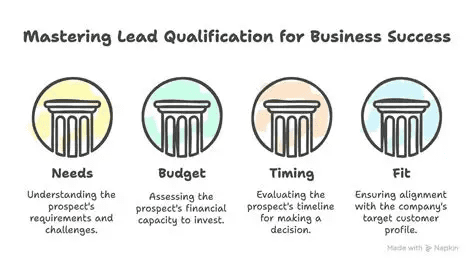
Pre-qualify Leads: Pre-qualifying involves asking questions to gauge a lead’s interest in buying your offering. You must determine whether their budget, timing, decision-making process, and other factors are favorable.
Notice Bottlenecks: Identifying and eliminating bottlenecks in your lead qualification process is critical to success. Look for steps or activities slowing down the conversion process, such as long forms, multiple emails, or too many follow-up calls.
Build a Better Strategy: Your lead qualification efforts must focus on quality instead of quantity. You must consider automating the process to remove bottlenecks. Try marketing automation software or deploying chatbots to streamline and speed up your lead qualification activities.
Lead Qualification Checklist
The Ultimate Lead Qualification Checklist will help you understand which leads are worth pursuing based on their potential value and fit with your offer. Here’s what it includes:
Interest: Are they interested in your product or service? Have they expressed any desire to learn more about what you offer?
Need: Does the lead have a need that your product/service can fulfill? Are they searching for a solution to a problem or challenge?
Reachability: Can you quickly contact the lead through email, phone, or mail? Do you know how to reach them with your offers and messages?
Budget: Do the lead’s resources and budget allow them to invest in your offering? Are their funds allocated for this type of purchase already?
Authority: Who makes the final decision regarding purchasing decisions within their organization (if applicable)? How do you approach them with your offering?
Timing: Is the lead ready to purchase now, or are they simply exploring or gathering information at this stage? Have you identified when they are likely to be prepared to take action?
Interest: Are they engaged and interested in what you have to offer? Are they curious and willing to learn more about the product/service? Are they asking relevant questions during interactions with your sales team?
By answering these seven questions, you can assess the conversion potential of each lead.